




Chikungunya vs Dengue: Key Differences, Symptoms, and Transmission
 Jungle Formula
- 15 September, 2025

Mosquito-borne diseases such as Chikungunya and Dengue are becoming a growing public health concern in tropical and subtropical regions. While these two illnesses share several similarities, understanding the difference between Dengue and Chikungunya is essential for timely diagnosis, treatment, and prevention. In this blog, we’ll explore the chikungunya vs dengue debate, focusing on key aspects like transmission, symptoms, rashes, prevention, and more.
Introduction
Chikungunya and dengue are both viral diseases spread by the same mosquitoes but caused by distinct viruses. These diseases have overlapping symptoms, making it difficult for the average person to distinguish between them without medical intervention. However, knowing the difference between Dengue and Chikungunya is vital, especially during the peak monsoon seasons when mosquito breeding spikes, increasing the risk of infection.
Let’s dive deeper into the chikungunya vs dengue comparison and explore how each disease spreads, their symptoms, rashes, and most importantly, the preventive measures to keep you safe.
What is the Difference Between Dengue and Chikungunya?
The chikungunya and dengue difference lies in the causative virus, symptoms, severity, and long-term effects. Dengue is caused by the Dengue virus, which belongs to the Flavivirus family, whereas Chikungunya is caused by the Chikungunya virus, a member of the Alphavirus family.
Key Differences at a Glance:
| Feature | Dengue | Chikungunya |
|---|---|---|
| Causative Agent | Dengue virus | Chikungunya virus |
| Severe Symptoms | May cause Dengue Hemorrhagic Fever (DHF), leading to bleeding and low platelet count | Causes intense joint pain and prolonged arthritis-like symptoms |
| Incubation Period | 4–10 days | 3–7 days |
| Long-Term Effects | Rare; usually temporary weakness | Persistent joint pain lasting months |
| Rash Type | Maculopapular rash | Maculopapular and petechial rash |
Although both infections can cause fever, rash, and joint pain, the dengue chikungunya disease progression and long-term impacts differ significantly.
How Are Dengue and Chikungunya Spread?
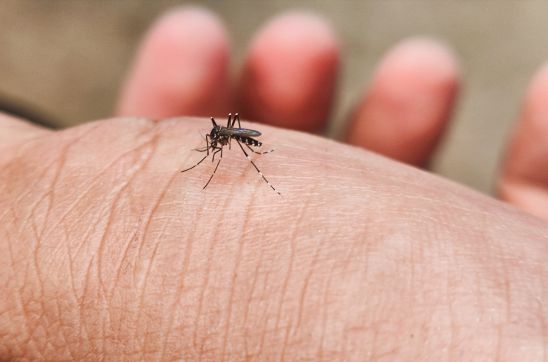
Understanding how Dengue and Chikungunya are spread by mosquitoes is crucial in preventing outbreaks. Both viruses are primarily transmitted by the Aedes aegypti and Aedes albopictus mosquitoes, which are most active during early morning and late afternoon.
When a mosquito bites an infected person carrying either Dengue or Chikungunya, the virus enters the mosquito’s system. After an incubation period inside the mosquito (about 8–12 days), the virus can then be passed on to other humans through subsequent bites.
It’s important to note that dengue and chikungunya are spread by the same mosquito species, which complicates prevention strategies in endemic areas. Unlike malaria, which is caused by Anopheles mosquitoes, these viruses do not have an animal reservoir; their cycle continues between humans and mosquitoes.
What are the Symptoms of Chikungunya and Dengue?
When it comes to Dengue vs Chikungunya, the overlapping symptoms can cause confusion, but there are notable differences that help in clinical diagnosis.
Dengue Symptoms:
• Sudden high-grade fever (up to 104°F)
• Severe headache
• Retro-orbital pain (pain behind the eyes)
• Muscle and joint pains (often mild)
• Skin rash appearing after 3–4 days of fever
• Nausea and vomiting
• In extreme situations: plasma leakage, low platelet counts, and Bleeding.
Chikungunya Symptoms:
• High-grade fever with a sudden onset
• Severe joint pain (arthralgia) – a hallmark feature
• Muscle pain
• Fatigue
• Rash (more extensive compared to Dengue)
• Headache
• Nausea
• Swelling around joints
A major chikungunya and dengue difference is that Chikungunya is notorious for causing prolonged joint pain that can last for months or even years, while Dengue generally resolves within 7–10 days without long-lasting symptoms.
Chikungunya Rash vs Dengue Rash
One of the trickiest parts of the chikungunya rash vs dengue rash comparison is that both conditions present with rashes that can appear similar at first glance. However, there are subtle but important differences.
Chikungunya Rash:
• Typically appears 2–5 days after fever onset
• Maculopapular in nature (small red spots that may merge to form larger patches)
• Commonly covers the trunk, limbs, and sometimes the face
• Itching is more intense
• Rash can last for a few days up to a week
Dengue Rash:
• Appears between the 3rd to 5th day of fever
• Also maculopapular but sometimes petechial (small red or purple spots caused by bleeding)
• ‘Islands of white in a sea of red’ pattern is a classic description
• May be accompanied by mild itching
• Typically resolves in 2–3 days
The chikungunya rash vs dengue rash difference is subtle but can assist healthcare providers in diagnosing the correct illness, especially when considered with other symptoms like joint pain severity or bleeding tendencies.
Prevention and Control of Dengue and Chikungunya
Prevention is always better than cure, especially when it comes to mosquito-borne diseases like dengue chikungunya. Since both viruses are spread by the same mosquitoes, control measures overlap significantly.
Key Prevention Tips:
1. Eliminate Mosquito Breeding Sites: Empty stagnant water from pots, tires, flower vases, and other containers.
2. Use Mosquito Nets & Screens: Especially at night and during early morning hours.
3. Apply Mosquito Repellents: Using mosquito repellent patches or a mosquito repellent spray helps reduce the risk of mosquito bites during daily activities or outdoor exposure.
4. Wear Protective Clothing: Along with covering arms and legs, applying a mosquito repellent roll-on on exposed skin provides an added layer of protection.
5. Community Awareness: Educating communities about prevention strategies and reporting symptoms early can help control outbreaks.
Additionally, local authorities must enforce regular fumigation and waste management protocols to reduce mosquito populations.
Vaccines are available for Dengue in some countries, but no approved vaccine exists for Chikungunya as of now. Therefore, personal protection and environmental control remain the most effective strategies.
Understanding the chikungunya vs dengue dilemma is essential for early diagnosis and proper treatment. While both diseases share similarities in symptoms and transmission, their chikungunya and dengue difference lies in the severity of joint pain, bleeding risks, and rash patterns.
Preventive measures such as eliminating mosquito breeding grounds, using repellents, and wearing protective clothing can significantly reduce the chances of contracting either disease. If you or a loved one experience symptoms resembling Dengue or Chikungunya, seek medical advice promptly to avoid complications.
Stay informed, stay safe, and help spread awareness to prevent the spread of these debilitating mosquito-borne illnesses.
FAQs
Q1: Can you get both Dengue and Chikungunya at the same time?
Yes, since both are spread by the same Aedes mosquitoes, it is possible, though rare, to be co-infected with Dengue and Chikungunya.
Q2: Is the rash in Dengue and Chikungunya contagious?
No, the rash itself is not contagious. Both diseases are transmitted only by mosquito bites, not from person to person.
Q3: How long does Chikungunya joint pain last compared to Dengue?
Chikungunya joint pain can persist for months or years, whereas Dengue-related discomfort generally resolves within a couple of weeks.
Q4: Is there a vaccine available for Dengue and Chikungunya?
A Dengue vaccine is available in certain regions, but no vaccine is currently approved for Chikungunya. Personal protection and mosquito control are key components of prevention.
Q5: When should I see a doctor if I suspect Dengue or Chikungunya?
Seek immediate medical attention if you experience high fever, severe joint pain, persistent vomiting, bleeding, or an unusual rash, especially after traveling to endemic regions.