


Types of Mosquitoes: Types and the Diseases They Spread
 Jungle Formula
- 16 September, 2025

Types of Mosquitoes: Types and the Diseases They Spread
Introduction
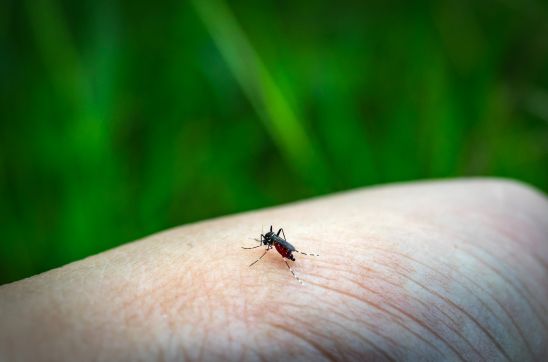
Mosquitoes are among the most notorious insects globally, infamous for their itchy bites and the serious diseases they can transmit. The truth about mosquitoes is much more alarming than the common perception that they are merely an annoyance. There are different types of mosquitoes, each with unique behaviors, habitats, and, most importantly, the ability to spread specific diseases. Understanding the types of mosquitoes and the diseases they spread is essential to safeguarding your health and that of your family.
In this article, we will explore the different types of mosquitoes and diseases they spread, share essential prevention strategies, and answer common questions to help you stay protected.
Different Types of Mosquitoes and Diseases They Spread
There are over 3,500 species of mosquitoes globally, but only a few large mosquito types are responsible for transmitting diseases to humans. Below, we’ll break down the most well-known types of mosquitoes and the diseases linked to them.
1. Aedes Mosquitoes
Aedes aegypti and Aedes albopictus are among the most notorious different types of mosquito species. These mosquitoes are easily recognized by their distinctive black and white markings.
• Diseases Spread:
o Dengue Fever
o Chikungunya
o Zika Virus
o Yellow Fever
Aedes mosquitoes are aggressive daytime biters, often targeting humans in urban and suburban environments. Their ability to breed in small amounts of stagnant water makes them challenging to control.
2. Anopheles Mosquitoes
The Anopheles genus includes several different types of mosquitoes, but the most dangerous is Anopheles gambiae.
• Diseases Spread:
o Malaria
o Lymphatic Filariasis
• The hours of dusk and dawn are when Anopheles mosquitoes are most active. Unlike Aedes mosquitoes, they prefer cleaner water bodies like ponds and marshes for breeding. Particularly in tropical and subtropical areas, malaria continues to be one of the most deadly diseases spread by mosquitoes.
3. Culex Mosquitoes
The Culex genus is another important group of different types of mosquitoes.
• Diseases Spread:
o West Nile Virus
o Japanese Encephalitis
o Filariasis
Culex mosquitoes are mostly active at night and breed in stagnant water such as clogged drains or polluted water bodies. While less aggressive than Aedes, they can still pose serious health risks.
4. Mansonia Mosquitoes
Less commonly discussed but equally important, Mansonia mosquitoes are known for their role in spreading:
• Diseases Spread:
o Lymphatic Filariasis
These mosquitoes breed in water bodies with aquatic vegetation, making them harder to detect and eliminate. Their bites can go unnoticed because they are relatively gentle compared to Aedes or Anopheles.
Understanding these different types of mosquitoes and diseases they spread provides a crucial first step in effective prevention and control measures.
Prevention and Control of Mosquito Borne Diseases
Proactive measures are necessary to stop diseases spread by mosquitoes. Below are tried-and-true methods, including the use of modern mosquito repellent solutions.
1. Eliminate Breeding Grounds
Mosquitoes breed in stagnant water, so regularly emptying containers like flower pots, buckets, and tires is vital. Proper disposal of waste and unclogging drains helps minimize breeding sites.
2. Personal Protection
To avoid mosquito bites, especially in regions with a high incidence of mosquito-borne diseases, consider using personal repellents. Popular options include:
• Mosquito Repellent Roll On: A mosquito repellent roll on is convenient for quick and effective application on exposed skin. Ideal for both adults and children.
• Mosquito Repellent Spray: A mosquito repellent spray offers broader coverage and is perfect for applying to larger areas like arms and legs or even clothing.
• Mosquito Repellent Patches: Mosquito repellent patches are handy for continuous protection without the need for reapplication. Simply stick them on your clothes or nearby surfaces to keep mosquitoes away.
These products help create a protective barrier, especially when spending time outdoors or in mosquito-prone areas.
3. Use Mosquito Nets
Sleeping under mosquito nets treated with insecticide provides an effective shield against nighttime biters, especially Anopheles mosquitoes, which transmit malaria.
4. Install Screens and Fans
Using window and door screens prevents mosquitoes from entering homes, while fans help disperse mosquitoes due to their weak flying ability.
5. Community Efforts
Mosquito control programs at the community level, such as fogging and insecticide spraying, can significantly reduce the local mosquito population. Awareness drives about proper waste management and water storage are also critical.
Conclusion
Mosquitoes are not just a source of irritation—they are vectors of serious diseases that can impact millions of lives. Knowing the different types of mosquitoes, especially the large mosquito types like Aedes, Anopheles, Culex, and Mansonia, helps us understand the risk and how to counter it effectively.
By adopting preventive measures such as eliminating breeding sites, using mosquito repellent roll on, sprays, patches, and ensuring proper home protection, we can significantly reduce the risk of diseases like malaria, dengue, and Zika.
Stay informed, stay protected, and take simple yet effective steps to keep mosquitoes at bay.
Understanding the types of mosquitoes, the different types of mosquito diseases they spread, and adopting preventive measures is crucial in today’s world. With easy-to-use products like mosquito repellent roll on, mosquito repellent patches, and mosquito repellent spray, protecting yourself and your family has never been more convenient.
FAQs
Which is the most harmful mosquito?
The Anopheles mosquito, specifically Anopheles gambiae, is considered one of the most harmful due to its role in transmitting malaria—a disease that causes hundreds of thousands of deaths annually. However, Aedes aegypti is also dangerous because it spreads multiple viral diseases, including dengue and Zika.
Which mosquito is harmless?
Not all mosquitoes transmit diseases. In fact, many different types of mosquitoes do not carry pathogens harmful to humans. For example, male mosquitoes generally do not bite at all and feed on nectar. Certain species of mosquitoes exist purely for ecological balance and do not pose a direct threat to human health.
Do all mosquitoes spread diseases?
No, not all mosquitoes are carriers of diseases. Only specific types of mosquitoes and diseases they spread are of concern. For instance, only female mosquitoes bite humans to obtain blood necessary for egg production, and only certain species among them carry pathogens.
Which mosquito causes malaria?
Malaria is mostly spread by Anopheles mosquitoes, especially Anopheles gambiae. These mosquitoes typically bite between dusk and dawn and breed in clean stagnant water sources.