




How to Prevent Dengue: Precautions and Control Measures
 Jungle Formula
- 10 October, 2025

Dengue has become one of the most common mosquito-borne diseases in the world, especially in tropical and subtropical regions. While it may seem like just another seasonal illness, dengue can quickly turn dangerous if left unchecked. The good news is that knowing how to prevent dengue and adopting consistent dengue prevention methods can protect you and your loved ones. From basic home care to community-wide action, following precautions for dengue plays a key role in reducing risk. This blog covers practical strategies, preventive measures of dengue, and ways you can stay safe even during outbreaks.
Understanding How Dengue Spreads
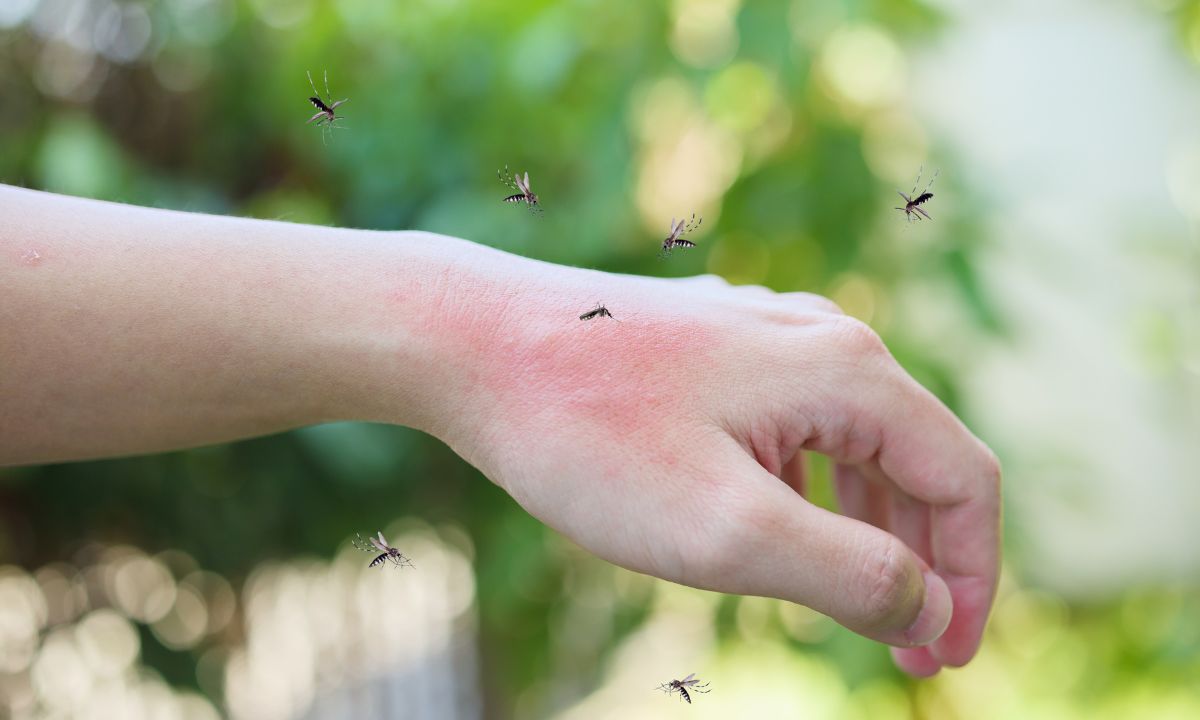
Before learning how to avoid dengue, it’s important to understand how the disease spreads. Dengue is transmitted by the bite of female Aedes aegypti and Aedes albopictus mosquitoes, which are most active during the day. Unlike common mosquitoes, these species bite during early mornings and late afternoons. Knowing this helps with better dengue prevention and control at home and outdoors.
These mosquitoes breed in stagnant water—flower pots, uncovered buckets, old tyres, or even bottle caps left outside. By eliminating these breeding sites, you’re already practicing one of the most effective preventive measures of dengue. Pairing that with protective methods like using mosquito repellent patches ensures maximum safety.
Precautions for Dengue at Home and Outdoors
Taking the right precautions for dengue isn’t complicated, but it requires consistency. Here are some key steps for effective dengue prevention:
• Eliminate standing water: Check flower vases, bird baths, clogged drains, and coolers. Mosquitoes breed in even tiny amounts of stagnant water.
• Cover water containers: Keep tanks and buckets tightly sealed to reduce breeding sites.
• Use protective clothing: Wear long sleeves, pants, and light-colored clothing to minimize skin exposure.
• Apply repellents: Use creams, sprays, or mosquito repellent patches when stepping outdoors.
• Install nets and screens: Adding mosquito screens on windows and doors is a vital preventive measure of dengue.
• Indoor care: Use electric mosquito repellents and ensure your home is free from dark, damp corners.
These small but consistent steps make a big difference in how to avoid dengue infections both at home and outside.
Dengue Prevention During Outbreaks
When dengue cases rise in your community, extra care becomes crucial. During outbreaks, follow these dengue prevention and control methods:
• Community clean-up drives: Work with neighbors to remove garbage, containers, and waste that can hold water.
• Government fogging initiatives: Support and allow fumigation activities in your area.
• Stay indoors during peak hours: Morning and late afternoon are high-risk mosquito biting times, so limit outdoor exposure.
• Boost immunity: Eating a balanced diet, staying hydrated, and resting well strengthens the body’s defenses.
• Travel smart: If you must move around, carry mosquito repellent patches for round-the-clock protection.
By following these precautions for dengue, you significantly reduce the risk of infection, even in high-risk zones.
Myths vs. Facts About Dengue Prevention
Many misconceptions exist around dengue prevention and control, and believing them can be risky. Let’s clear the confusion:
• Myth: Dengue mosquitoes only bite at night.
Fact: Aedes mosquitoes are day-biters, which is why using preventive measures of dengue during the day is critical.
• Myth: Boiling water kills mosquito larvae.
Fact: While boiling water is safe to drink, it doesn’t solve the breeding problem. Emptying and cleaning containers is a real solution.
• Myth: Only dirty places attract mosquitoes.
Fact: Even clean homes can be at risk if water is left uncovered. Proper dengue prevention requires awareness everywhere.
• Myth: Lemon juice or garlic keeps mosquitoes away.
Fact: There’s no scientific proof. Instead, rely on trusted mosquito repellent patches and sprays.
Understanding facts over myths helps you apply correct precautions for dengue that actually work.
Dengue is preventable, but only if you take proactive action. By eliminating breeding grounds, protecting yourself outdoors, and promoting community action, you can safeguard against the disease. Simple lifestyle changes and effective preventive measures of dengue are key to ensuring safety for your family and community. The right knowledge about how to prevent dengue empowers everyone to live healthier, mosquito-free lives.
FAQs
What are the 4S of dengue prevention?
The 4S strategy includes Search and destroy mosquito breeding sites, Self-protection (using repellents and clothing), Seek early consultation if symptoms appear, and Support fogging or community drives. These cover the best precautions for dengue.
How to prevent dengue while traveling?
To know how to avoid dengue while traveling, pack mosquito repellent patches, wear long-sleeved clothes, stay in screened or air-conditioned rooms, and avoid areas with stagnant water.
Can dengue mosquitoes bite at night?
While primarily active during the day, Aedes mosquitoes can sometimes bite at dawn, dusk, or in poorly lit indoor spaces. Therefore, dengue prevention and control should be followed at all times.
How soon after a mosquito bite can dengue symptoms appear?
Dengue symptoms usually appear 4–10 days after an infected mosquito bite. Following preventive measures of dengue daily ensures you remain safe during this incubation period.