


Are Mosquitoes Attracted to Light? Myths and Facts
 Jungle Formula
- 1 December, 2025

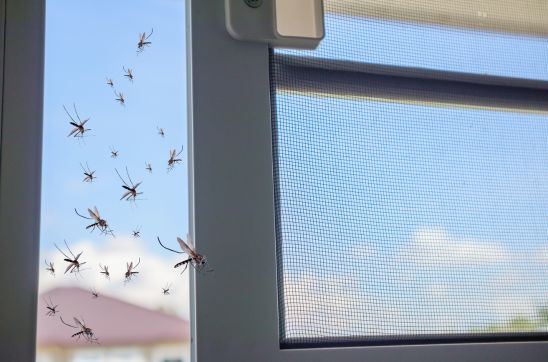
You’ve probably noticed how insects swarm around bulbs, tube lights, and street lamps after sunset. But have you ever wondered — are mosquitoes attracted to light too? It’s a common belief that mosquitoes, like moths, fly toward light sources. However, the truth is more complex than that. While many insects are phototactic (meaning they’re attracted to light), mosquitoes behave differently depending on species, light color, and even the time of day.
Understanding which light attract mosquito and how they respond to artificial illumination can help you keep them away from your home. In this article, we’ll break down the myths and facts about mosquito attracting light, explore whether mosquito attracting light color matters, and share practical tips to make your nights bite-free.
Do Mosquitoes Actually Go Towards Light?
When it comes to light attraction, mosquitoes are quite misunderstood. Many people assume that all mosquitoes rush toward any light source — but that’s not entirely true. In reality, mosquitoes are not strongly attracted to light, especially during their most active periods — dusk and dawn.
Female mosquitoes, which are the ones that bite, rely more on body heat, carbon dioxide, and sweat odor to locate humans rather than chasing after light. Studies have shown that mosquitoes tend to avoid bright light and prefer dim or shaded areas where they can rest.
However, some mosquito species, particularly nocturnal ones, show mild attraction to mosquito attracting light like warm or low-frequency bulbs. Still, the key attraction remains human scent and CO₂ rather than brightness itself. So if you’ve been wondering are mosquitoes attracted to light or just your body warmth, the answer leans heavily toward the latter.
The Role of UV and Other Light Colors
Now, let’s dive into the science of mosquito attracting light color. Not all light wavelengths affect mosquitoes equally — their vision is quite different from ours. Mosquitoes can perceive ultraviolet (UV), blue, and green light better than red or yellow tones.
But here’s the catch: while many flying insects are drawn to UV light, mosquitoes are not strongly phototactic to UV rays. So if you’ve ever asked, are mosquitoes attracted to UV light, the answer is only slightly. Most mosquito species prefer dark environments and become active under low light or twilight conditions.
Some research suggests that mosquitoes are more active around blue and green lights, which could explain why they hover near LED screens or fluorescent lights that emit such hues. Meanwhile, warm yellow or red lights are less visible to them — making them less mosquito attracting light color options.
So, if you’re setting up outdoor lighting or choosing a bulb for your porch, go for yellow, amber, or orange LEDs. These are least likely to attract insects and are often marketed as “bug lights.”
Which Light Attract Mosquito
Let’s make it simple. If you’re wondering which light attract mosquito, here’s the breakdown:
1. Blue Light (450–500 nm): Mosquitoes can see blue light clearly, and it tends to draw their attention.
2. Green Light (500–570 nm): Certain mosquito species show mild attraction toward green hues.
3. UV Light (Below 400 nm): Contrary to popular belief, are mosquitoes attracted to UV light? Not significantly. They may fly near it but aren’t as drawn as moths or gnats.
4. Yellow/Amber Light (570–620 nm): Least attractive to mosquitoes — perfect for outdoor lighting.
5. Red Light (Above 620 nm): Almost invisible to mosquitoes, hence a safe option if you want to enjoy evenings bite-free.
In short, the answer to which light attract mosquito depends on color wavelength. Cooler tones like blue or green are more mosquito attracting light, while warm colors like yellow or red help repel them naturally.
If you’re planning a late-night garden dinner or balcony chill time, using yellow LED bulbs along with a mosquito repellent spray or mosquito repellent roll on can drastically reduce mosquito bites.
Also Read: Life Cycle of a Mosquito: From Egg to Adult Mosquito Lifespan
Tips to Keep Mosquitoes Away at Night
Understanding are mosquitoes attracted to light is only half the battle — the real goal is keeping them away. Here are effective, science-backed strategies you can use tonight:
1. Choose the Right Lighting
Switch to yellow or amber LED bulbs, which are less mosquito attracting light color options. Avoid white, blue, or fluorescent bulbs outdoors, as they emit wavelengths mosquitoes can see easily.
2. Use Natural Mosquito Repellents
Complement your lighting setup with safe repellents like mosquito repellent roll on or mosquito repellent patches. They create a protective layer that masks your body odor, making it difficult for mosquitoes to find you.
3. Try Mosquito Repellent Spray Indoors
If you’re indoors with lights on, apply mosquito repellent spray near entry points like windows, balconies, or curtains. This not only prevents bites but also stops mosquitoes from clustering near lamps.
4. Keep Lights Away from Windows
Mosquitoes may not love light itself, but they often fly toward illuminated areas because they detect movement and heat. Keeping bright lights away from windows reduces the chances of them sneaking inside.
5. Maintain Darkness in Sleeping Areas
Mosquitoes prefer low-light, humid spots. Ensure your bedroom is cool and dark while using repellents or mosquito nets. This minimizes attraction and offers a peaceful night’s sleep.
6. Avoid Standing Water and Moisture
No matter what light you use, if stagnant water is nearby, mosquitoes will breed. Clean up flower pots, coolers, or buckets regularly. Combine this with mosquito repellent patches for added protection.
By combining smart lighting choices with preventive measures like mosquito repellent roll on or sprays, you can make your space mosquito-proof even during peak seasons.
So, are mosquitoes attracted to light? Not exactly — they’re more into your scent, heat, and breath than your light bulbs. However, certain mosquito attracting light color shades, especially blue and green, can increase their activity around your space.
Understanding which light attract mosquito helps you make smarter lighting decisions — opt for warm yellow or red lights, avoid UV-heavy bulbs, and always combine this knowledge with trusted repellents like mosquito repellent roll on, mosquito repellent patches, or mosquito repellent spray.
Next time you switch on the light at night, remember: mosquitoes aren’t chasing the bulb — they’re chasing you. But now, you know exactly how to stop them.
Also Read: Why Do Mosquitoes Buzz in People’s Ears? Easy Ways to Stop It
FAQs
Is UV light mosquito killer safe?
Yes, most UV mosquito traps are safe for indoor use. However, keep in mind that are mosquitoes attracted to UV light only mildly. UV light mostly kills other flying insects, not mosquitoes. To ensure safety, use these devices along with a mosquito repellent spray or mosquito repellent roll on for best results.
Can indoor lights increase mosquito activity?
Not directly. Mosquitoes aren’t drawn to brightness itself but may hover around humans who stay near lights, as they detect your heat and CO₂. So while light can make you more visible, it’s not the main mosquito attracting light factor.
What lights are mosquitoes attracted to?
Blue and green wavelengths are most mosquito attracting light color options. Warmer tones like yellow, amber, or red are less attractive, making them the ideal choice for both indoor and outdoor lighting.
Why do mosquitoes disappear when you turn on the light?
Because most mosquito species are photophobic, meaning they dislike bright light. When you turn on lights suddenly, they move away to darker corners. That’s why understanding which light attract mosquito helps — bright white lights often repel rather than attract them.