



Difference Between Male and Female Mosquitoes
 Jungle Formula
- 16 December, 2025

Mosquitoes are tiny but notorious insects known for their buzzing sounds and itchy bites. But did you know that not all mosquitoes bite? The key lies in understanding the difference between male and female mosquito species. While both play roles in nature’s ecosystem, their habits, appearance, and purpose differ greatly. Recognizing the male vs female mosquito distinction helps not only in scientific studies but also in effective mosquito control.
In this blog, we’ll break down the difference between male and female mosquito, how to tell them apart, their behaviors, and practical ways to prevent infestations — with a few trusted product recommendations like anti mosquito roll on, mosquito repellent patches, and anti mosquito repellent spray for complete protection.
Key Differences Between Male and Female Mosquitoes
Understanding the difference between male and female mosquito starts with their biology and purpose. Though both genders belong to the same species, they lead completely different lifestyles.
1. Feeding Habits
The biggest difference between male and female mosquito lies in their diet.
o Female mosquitoes feed on blood. They require the proteins from blood to produce eggs.
o Male mosquitoes, on the other hand, are harmless — they feed only on nectar and plant juices.
This distinction is also true when comparing species like the difference between male and female Anopheles mosquito, known for transmitting malaria. Only the female Anopheles mosquito bites and spreads the disease.
2. Physical Appearance
When comparing male vs female mosquito, physical traits play a big role.
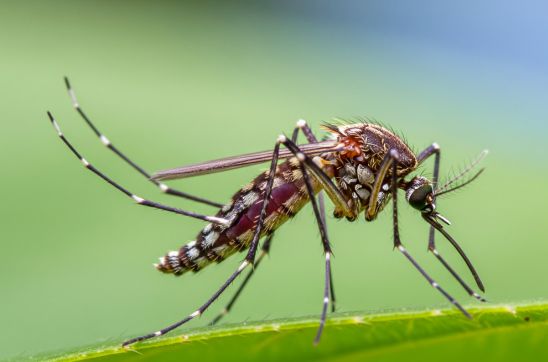
o Males have bushy, feather-like antennae that help them detect the high-pitched sound of female wingbeats.
o Females have smoother, less feathery antennae. They are generally larger and have a more robust abdomen.
3. Lifespan
Another notable difference between male and female mosquito is lifespan. Males typically live for about a week, while females can survive for several weeks — sometimes even months under ideal conditions.
4. Purpose and Role
In terms of biological function, males exist mainly for mating, while females ensure the survival of the next generation by laying eggs after their blood meals.
In short, the male vs female mosquito difference defines their entire existence — one focuses on reproduction, while the other ensures survival through nourishment.
How to Identify Male and Female Mosquitoes
Knowing how to identify male and female mosquito species is useful for both research and prevention. Though they might look identical to the naked eye, a closer look reveals key identifiers:
1. Antennae Shape
o Male: Feathery and bushy, resembling fine hair.
o Female: Thin and sparse.
2. Size
o Female mosquitoes are usually bigger and heavier.
o Male mosquitoes are smaller and lighter.
3. Mouthparts (Proboscis)
o Females have sharp, needle-like proboscises for piercing skin and sucking blood.
o Males have a shorter proboscis meant only for sipping nectar.
4. Wingbeat Frequency
When observing how to tell the difference between a male and female mosquito, experts often rely on sound.
o Females produce a lower-frequency buzz.
o Males respond to the higher-pitched whine of females during mating.
If you’re ever curious how to identify male and female mosquito types in your surroundings, these small but telling features can help you distinguish them with ease.
Behavioral Traits of Male vs Female Mosquitoes
Behaviorally, the male vs female mosquito contrast becomes even more striking.
1. Feeding and Activity Patterns
o Female mosquitoes are the ones responsible for those itchy bites. They seek out warm-blooded hosts, especially during dawn and dusk.
o Males, in contrast, spend their time near flowers or vegetation, feeding on nectar and looking for mates.
2. Breeding Behavior
Both genders meet near water bodies, as female mosquitoes lay eggs in stagnant water. But males usually die soon after mating, which adds another layer to the difference between male and female mosquito behavior.
3. Host Attraction
Only females are attracted to humans due to carbon dioxide and body heat. Males don’t have the same sensory drive since they don’t need blood meals.
4. Disease Transmission
The difference between male and female Anopheles mosquito is critical in public health — female Anopheles are the vectors for malaria, while males pose no risk to humans.
This understanding helps target control measures more effectively, focusing on female mosquitoes to break disease transmission cycles.
Tips to Prevent Male and Female Mosquito Infestations
While male vs female mosquito behaviors differ, both thrive in environments with stagnant water and poor hygiene. Here are some effective tips to prevent mosquito infestations:
1. Eliminate Breeding Grounds
o Regularly clean containers, pots, and buckets.
o Empty standing water from coolers, trays, and plant saucers.
2. Use Reliable Repellents
Protect yourself with anti mosquito roll on during outdoor activities, especially in the evening. It provides long-lasting protection without harsh chemicals.
3. Apply Mosquito Repellent Patches
For kids or when you’re on the go, mosquito repellent patches are an easy, safe way to stay bite-free. They’re gentle on skin and suitable for all ages.
4. Use Anti Mosquito Repellent Spray at Home
Spray corners, under furniture, and around entry points using anti mosquito repellent spray to eliminate mosquitoes hiding indoors.
5. Install Mesh Screens and Use Nets
Physical barriers like mosquito nets and window screens are simple yet effective defenses against bites — especially those from female mosquitoes.
By combining these preventive steps with trusted repellents, you can effectively manage both male and female mosquito populations.
Understanding the difference between male and female mosquito isn’t just fascinating — it’s vital for protecting your health. While males are harmless nectar feeders, females are responsible for bites and disease transmission.
Recognizing how to identify male and female mosquito types can help you take smarter, targeted actions to keep them away.
Whether you’re safeguarding your home or planning outdoor fun, don’t forget to use reliable protection like anti mosquito roll on, mosquito repellent patches, and anti mosquito repellent spray. A little awareness and prevention go a long way toward living bite-free!
FAQs
Is the dengue mosquito male or female?
Only the female Aedes mosquito transmits dengue. Males don’t bite humans or spread diseases — they feed solely on nectar.
Can you tell male and female mosquitoes apart by size?
Yes, you can. Females are generally larger and more robust, while males are smaller and lighter. It’s one easy way how to tell the difference between a male and female mosquito.
Do male mosquitoes live as long as females?
No. Males usually live about 5–7 days, while females can survive up to several weeks — especially in favorable environments.
Why do only female mosquitoes bite?
Females need the proteins from blood to produce eggs, making them the only ones that bite. Males have no such need, which is one of the main differences between male and female mosquito species.