


Chikungunya Prevention: Effective Precautions & Ways to Avoid the Virus
 Jungle Formula
- 28 December, 2025

Chikungunya cases rise sharply during monsoon and warm months, making chikungunya prevention a priority for every household. While the virus itself is not fatal, the intense joint pain, fever, and discomfort can last for weeks or even months. Understanding precautions from chikungunya helps you stay safe before the infection spreads in your neighbourhood. The good news? Most cases can be avoided with simple habits and smart mosquito protection.
Understanding Chikungunya: How the Virus Spreads
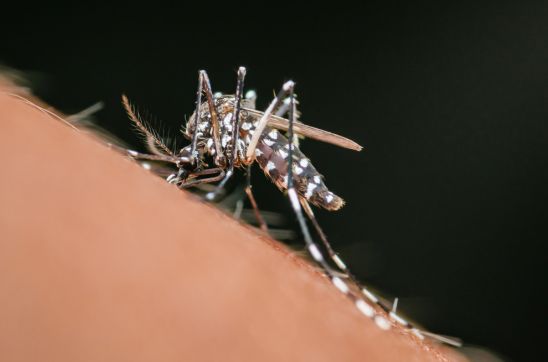
Chikungunya is spread by infected Aedes mosquitoes—the same mosquitoes responsible for dengue. Knowing how to prevent chikungunya virus starts with learning how these mosquitoes behave. Aedes mosquitoes bite mostly during the daytime, especially early morning and late afternoon. This means normal nighttime precautions are not enough. You must know how to avoid chikungunya by preventing mosquito exposure all day long, indoors and outdoors. These mosquitoes breed in stagnant water, making water management the first defense.
Why Chikungunya Prevention Matters
Although death from chikungunya is rare, the joint pain caused by the virus can be severe and long-lasting. Many patients report pain for months. That’s why chikungunya precautions must be consistent, not seasonal. Once someone in the family gets infected, others are also at risk because mosquitoes can bite an infected person and carry the virus further. Therefore, learning how can we prevent chikungunya not only protects individuals but the entire community.
How to Prevent Chikungunya Virus: Key Precautionary Measures
The most important preventive measures of chikungunya involve stopping mosquito bites and eliminating breeding sites. First, remove all stagnant water around your home—coolers, buckets, trays under potted plants, broken bottles, and unused containers. If you store water, keep it tightly covered. For personal protection, use mosquito repellent spray for body when going outdoors and cover exposed skin with long sleeves and long pants.
Children should wear mosquito repellent stickers for added daytime protection. These stickers provide a safe barrier and make chikungunya virus prevention more effective without irritating young skin. After an insect bite, calm the skin with an after mosquito bite cream to reduce itching and avoid infection from scratching. Simple daily habits like these significantly strengthen prevention and control of chikungunya.
Indoor & Outdoor Mosquito Safety Tips
Preventing chikungunya requires both indoor and outdoor strategies. Indoors, ensure that windows and doors have mesh screens to block mosquitoes. Use plug-in repellents or herbal vaporizers to keep rooms mosquito-free. Outdoors, especially during evenings, apply fabric roll on to clothes—this is an easy and effective step for chikungunya prevention. When stepping out to gardens or parks, also apply mosquito repellent spray for body to exposed areas.
People often underestimate the daytime biting behavior of the Aedes mosquito, which makes outdoor precautions extremely important. Knowing how to avoid chikungunya means taking protection seriously even during short walks outside. Long-lasting repellents, full clothing, and reducing outdoor exposure during peak biting times are essential precautions from chikungunya that families should practice consistently.
Community-Level Prevention & Control of Chikungunya
Individual protection is powerful, but community action adds an extra layer of safety. Local authorities encourage proper waste management, drainage cleaning, and fogging to reduce mosquito populations. As residents, participating in community cleanup drives contributes to effective prevention and control of chikungunya.
Educating neighbours about chikungunya precautions also matters. While you may be following everything at home, the mosquitoes from another house with stagnant water can still affect your area. If everyone knows how can we prevent chikungunya, overall cases drop drastically. Encourage people to use mosquito repellent stickers, remove water-holding items, and maintain hygiene in public spaces. These small changes significantly boost chikungunya virus prevention across the community.
When to See a Doctor
Even if you take strong preventive measures of chikungunya, infection can still happen. Seek medical help immediately if you or someone in your family develops sudden fever, joint pain, rashes, muscle aches, or swollen joints. Early diagnosis helps rule out dengue or malaria, which are also common. If you experience intense itching from bites, soothe the skin immediately using after mosquito bite cream to avoid secondary infections.
Persistent symptoms require medical follow-up because chikungunya can worsen without proper rest and hydration. Remember, knowing how to prevent chikungunya virus helps reduce the risk, but timely treatment prevents complications.
Chikungunya is preventable when you stay informed and disciplined. The right habits—using repellents, removing stagnant water, wearing protective clothing, and using tools like fabric roll on and mosquito repellent stickers—go a long way in ensuring effective chikungunya prevention. With awareness and action, families can stay protected, communities stay healthier, and outbreaks reduce significantly. Prevention is the most reliable shield you have, so practice simple chikungunya precautions daily for long-term safety.
FAQs
1. Is chikungunya transmitted from person to person?
No, it does not spread directly from person to person. A mosquito must bite an infected person and then bite someone else. This makes chikungunya virus prevention focused mainly on avoiding mosquito bites.
2. Is there a vaccine to prevent chikungunya?
Currently, no widely available vaccine exists. Therefore, precautions from chikungunya like repellents, mosquito control, and reducing stagnant water are essential.
3. What are the best preventive measures during chikungunya outbreaks?
Using repellents, cleaning water containers, wearing long clothes, using mosquito repellent spray for body, and supporting community fogging are the best preventive measures of chikungunya.
4. How do I protect children from chikungunya?
Use child-safe mosquito repellent stickers, dress them in full-sleeve clothes, keep rooms mosquito-free, and apply gentle repellents. These steps help parents understand how can we prevent chikungunya in young ones.