


White Lice in Hair: What They Really Are & Why They Appear?
 Jungle Formula
- 30 December, 2025

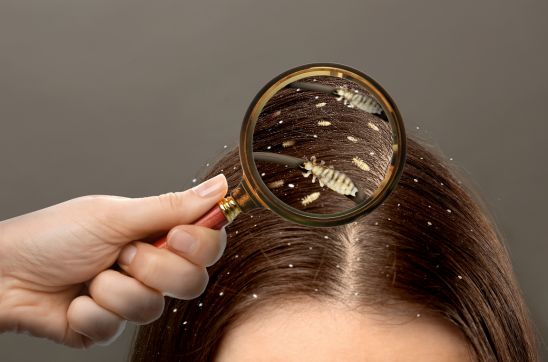
Finding tiny white lice in hair can be confusing and honestly a little scary. Most people assume lice are always brown or grey, so discovering white lice makes them wonder whether it’s a different species, a stronger infestation, or a sign of poor hygiene.
Here’s the truth: the colour often depends on their age, environment, and what stage of life they’re in. Plus, many times what we think is white hair lice might not be lice at all — sometimes it’s dandruff, hair casts, or product residue.
This blog breaks down white lice in hair causes, how to identify them correctly, how they’re different from regular lice, and the most effective way to get rid of them.
Do White Lice Really Exist?
Yes — but with a twist.
Adult lice rarely appear white. They are usually brownish, but baby lice (nymphs) can sometimes look pale and almost transparent. That’s why many people mistake them for head lice white bugs during early infestation.
However, true white lice are extremely rare. What people usually see are:
• Newly hatched nymphs
• White lice egg shells after hatching
• Nits white stuck on hair shafts
• Flakes, debris, or dandruff
So when you see white lice in head or hair, it’s important to identify what exactly you’re looking at — because treatment may differ.
Causes of White Lice in Hair
Let’s break down the top reasons you may notice something that looks like white lice:
1. Newly Hatched Nits
When nits hatch, their empty shell becomes whitish and stays glued to your hair. These shells look exactly like lice white nits and are often mistaken for active lice.
2. Baby Lice (Nymphs)
Nymphs are extremely tiny and appear almost colourless. If you’re seeing pale or white specks that move, it may be a fresh infestation leading to white lice in hair causes confusion.
3. Dandruff or Dry Scalp
Dead skin flakes can stick to hair and mimic nits white, making people assume they have lice when they actually don’t.
4. Hair Product Residue
Gel, dry shampoo, or serum residue can form white beads along hair strands.
5. Hair Casts
These are tube-like, white keratin structures that slide along the hair. They are one of the most common things mistaken as white hair lice.
6. Natural Lice Variants
Rarely, some lice may appear lighter or whitish depending on:
• Hair colour
• Recently feeding
• Light reflection
This can make them seem like true white lice.
White Nits vs Brown Nits (How to Tell the Difference)
Being able to differentiate between white lice egg cases and active brown nits is the key to knowing whether your infestation is old or new.
Brown or Tan Nits (Active)
• Oval and shiny
• Found close to the scalp
• Contain developing lice
• Hard and firmly attached to the hair shaft
If you see brown nits, you have live lice. These are the ones contributing to white lice in head concerns later after they hatch.
White Nits (Empty Shells)
• Chalky, opaque white
• Found farther from the scalp
• Light, flaky, but still attached
• Indicate a past infestation
These white shells are often mistaken as white hair lice, but they are basically empty casings left behind after the lice hatch.
How to Check:
Slide the speck along the hair strand.
• If it doesn’t move, it’s likely a nit (live or empty).
• If it slides easily, it may be dandruff or a hair cast.
This simple test can save you from unnecessary panic about head lice white creatures.
Treatment for White Nits or Lice
Whether you’re dealing with white lice in hair or brown lice, the treatment is the same — because the colour doesn’t affect the biology of the insect.
Here’s the most effective plan:
1. Use an Anti-Lice Treatment
Choose medicated lotions or head lice shampoo containing:
• Permethrin
• Malathion
• Dimethicone
These kill lice but may not remove white lice egg cases immediately. That’s where combing becomes important.
2. Wet Combing Method
A metal nit comb is essential to remove:
• Live lice
• Brown nits
• Lice white nits
• Empty shells
• Baby nymphs (the ones that look like white lice)
Apply conditioner, section hair, and comb thoroughly from root to tip. Repeat every 3–4 days for 2 weeks.
3. Avoid Home Remedies
Mayonnaise, kerosene, onion juice, coconut oil, and similar “DIY hacks” don’t reliably kill lice.
Since white lice in hair causes are often misunderstood, the wrong remedies can even make things worse.
4. Clean Personal Belongings
Wash or treat:
• Pillow covers
• Combs
• Towels
• Hair accessories
Even though lice don’t survive long off the scalp, this step prevents reinfestation.
5. Check All Close Contacts
If one family member has lice, others need to be checked — because white lice in head stages can spread silently.
If you’re seeing white lice in hair, don’t panic. Most of the time, these “white lice” are either:
• Newly hatched transparent nymphs
• Empty white nits
• Dandruff or residue
• Hair casts
Understanding the difference helps you tackle the root problem effectively. With proper treatment and regular combing, you can eliminate both lice and nits white without much trouble.
The key is early detection — especially if you’re noticing head lice white specks regularly.
FAQs
1. Are white lice harmful?
White lice themselves are not more harmful than regular lice. They are usually baby lice or empty shells, but they still indicate an infestation needs attention.
2. Are white lice nits dead?
Yes, white lice egg shells are typically empty — meaning the nit has already hatched. Brown nits are the live ones.
3. What do white lice look like in hair?
They may look like tiny white specks stuck to hair strands. Some may move (nymphs), while others stay firmly attached like lice white nits.
4. Can lice be pure white?
Rarely, but yes — especially freshly hatched nymphs or lice on very light hair. These can appear almost transparent, making them seem like white lice.