



Does Lavender Repel Mosquitoes? Can It Really Keep Them Away?
 Jungle Formula
- 17 February, 2026

Mosquitoes have an unmatched talent for ruining peaceful evenings, cozy nights, and outdoor fun. From itchy bites to sleepless nights, they’re more than just annoying—they can be genuinely distressing. This is why many people are constantly searching for natural solutions and often ask: does lavender repel mosquitoes, or is it just another pleasant-smelling myth?
Lavender has long been associated with relaxation, better sleep, and stress relief. But recently, it has also gained attention in mosquito control conversations. People swear by lavender plants, oils, and sachets—but does science agree? Or are we confusing fragrance with functionality?
In this blog, we’ll break down the truth behind lavender and mosquitoes. We’ll explore whether do lavender plants repel mosquitoes, how lavender for mosquitoes actually works, and if lavender is a mosquito repellent or just a feel-good aroma. Let’s dive in –
Do Lavender Plants Repel Mosquitoes or Just Smell Nice?
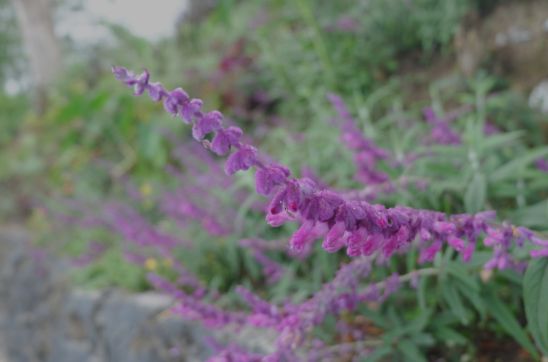
If you’ve ever walked past a lavender garden, you know how calming it feels. Humans love lavender—but the real question is: do mosquitoes like lavender too?
Research and anecdotal evidence suggest mosquitoes are not big fans of lavender’s scent. Lavender contains compounds like linalool and linalyl acetate, which are known to disrupt a mosquito’s ability to locate humans. This is why many people believe does lavender keep mosquitoes away naturally when planted around windows, balconies, or gardens.
However, it’s important to manage expectations. While do lavender plants repel mosquitoes to some extent, they don’t create a mosquito-free force field. Lavender plants release a mild scent, and unless you’re brushing against them or crushing the leaves, the fragrance may not be strong enough to repel mosquitoes effectively in open spaces.
Another common concern is does lavender attract mosquitoes? The answer is no—lavender does not attract mosquitoes the way sweat, carbon dioxide, or body heat does. So while lavender won’t lure mosquitoes toward you, it also won’t guarantee complete protection.
In short, lavender plants help—but they work best as support, not a standalone solution.
Lavender for Mosquitoes: How It Works
To understand whether lavender for mosquitoes truly works, we need to look at how mosquitoes behave. Mosquitoes rely on smell to find humans. They are drawn to carbon dioxide, lactic acid, and certain body odors. Lavender interferes with this process.
Lavender oil, especially when concentrated, can mask the scents mosquitoes use to locate their targets. This is why people often ask is lavender a mosquito repellent in oil or topical form—and the answer is closer to yes than no.
When lavender is used as:
• Essential oil
• Cream or balm
• Infused sprays
…it becomes more effective than a plant sitting quietly in the corner.
That said, lavender still has limitations. Its effect is mild and short-lived compared to commercial solutions like a mosquito repellent spray for body, which is designed to offer long-lasting protection.
Lavender works best when layered with other mosquito control methods. Think of it as a gentle, natural shield—not a heavy-duty armor.
Pros and Cons of Using Lavender for Mosquito Control
Like every natural remedy, lavender has its strengths and weaknesses. Let’s break them down honestly.
Pros of Using Lavender
• Natural and chemical-free
• Pleasant fragrance (unlike harsh repellents)
• Safe for children when used properly
• Easy to grow and maintain
• Promotes relaxation and better sleep
Lavender is ideal for people who prefer mild, plant-based solutions and want something gentle for daily use. If you’re sensitive to strong smells, lavender feels far more comforting than many synthetic options.
Cons of Using Lavender
• Not strong enough for heavy mosquito infestation
• Needs frequent reapplication (especially oils)
Limited effectiveness outdoors
• Doesn’t protect against all mosquito species
This is why many experts recommend pairing lavender with proven products like a mosquito repellent roll on for targeted protection or mosquito repellent stickers for kids and travel.
Lavender alone may not be enough, especially during monsoon season or in mosquito-prone areas.
Conclusion: So… Does Lavender Really Keep Mosquitoes Away?
Let’s answer the big question clearly: does lavender repel mosquitoes?
Also Read: Which Blood Group Attracts Mosquitoes The Most?
Yes—but mildly.
Lavender can help reduce mosquito presence, especially indoors or in small spaces. It smells lovely, doesn’t attract mosquitoes, and offers a calming bonus. However, if you’re expecting lavender to replace professional mosquito control or strong repellents, you’ll likely be disappointed.
For everyday comfort, lavender works beautifully. For serious protection—especially outdoors or during peak mosquito hours—it’s best combined with effective solutions like a mosquito repellent spray for body, a mosquito repellent roll on, or mosquito repellent stickers for children.
Think of lavender as your soothing first line of defense—not the final one.
Also Read: Can Mosquitoes Bite Through Clothes?
FAQs
Do dried lavender sachets work?
Yes, dried lavender sachets can help repel mosquitoes in enclosed spaces like wardrobes or bedside tables. However, their effect is limited and mild. They work best when refreshed or lightly crushed to release fragrance.
Can lavender replace mosquito repellents?
No, lavender cannot fully replace commercial repellents. While lavender for mosquitoes offers some protection, it’s not as long-lasting or powerful as a mosquito repellent spray for body or roll-on.
What type of lavender is best to keep mosquitoes away?
English lavender (Lavandula angustifolia) is considered the most effective due to its higher oil content and stronger fragrance.
Do mosquitoes actually hate lavender?
Mosquitoes don’t exactly “hate” lavender, but they dislike its scent. This is why do mosquitoes like lavender is generally answered with a no—lavender disrupts their sensory system and makes it harder for them to find humans