


Does Lice Cause Hair Loss? Understanding the Impact of Lice on Hair
 Jungle Formula
- 15 September, 2025

Introduction
Lice infestations are a common problem affecting millions worldwide, especially children. These tiny parasitic insects thrive on human scalp hair, feeding on blood and causing considerable discomfort. But one question many people often wonder is, does lice cause hair loss? The idea of lice living on your scalp is enough to send chills down your spine, and the thought of them damaging your hair only worsens the situation. In this blog, we’ll explore what lice do to your hair, how they affect scalp health, and what you can do to prevent lasting damage.
Does Lice Cause Hair Loss?
When it comes to the question, does lice cause hair loss, the answer isn’t entirely straightforward. Head lice are tiny parasites that live in your hair and feed on your blood by biting the scalp. On their own, lice do not directly cause hair loss. However, the intense itching and discomfort they create can lead to behaviors that indirectly result in hair loss.
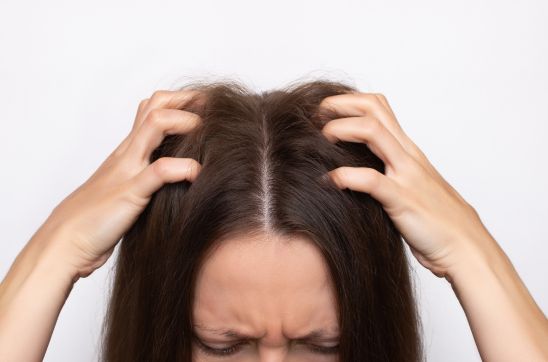
When your scalp itches persistently due to lice bites, you may scratch frequently and vigorously. Over time, this can cause damage to the hair follicles. Repeated scratching, coupled with the potential for secondary bacterial infections, can weaken the roots of your hair and lead to hair thinning or hair fall.
Another factor to consider is that what happens if you have head lice for too long. The longer an infestation remains untreated, the more significant the irritation and damage to the scalp become. This prolonged exposure can cause inflammation of the scalp and damage the skin’s barrier, which may contribute to hair fall. Although lice themselves do not directly eat the hair or the hair shaft, their presence leads to conditions that promote hair loss.
Some people wonder if is lice good for hair growth, possibly thinking that stimulation of the scalp may promote hair health. This is a misconception. Lice are harmful parasites and their presence disrupts the natural health of the scalp. Rather than promoting growth, lice infestations create an unhealthy environment that can weaken hair roots and lead to hair shedding.
Moreover, understanding the causes of hair lice is essential in preventing further complications. Poor hygiene, close contact with infested individuals, sharing combs, hats, or bedding, and crowded living conditions are all significant contributors to the spread of lice. Knowing these causes helps you take proactive steps to protect yourself and your family.
So, what does lice do to your hair apart from causing itching? They attach their eggs, called nits, to the hair shaft near the scalp. These nits are challenging to remove and can remain stuck for weeks. The constant presence of lice and nits stresses the hair and scalp, which may lead to hair fragility, breakage, and even temporary hair loss if left untreated.
Recognizing Hair Damage Caused by Lice
Hair damage caused by lice is not always immediately apparent, but there are telltale signs to watch out for. The most obvious symptom is intense itching, which often worsens at night when lice are most active. Persistent scratching can lead to redness, inflammation, and open sores on the scalp. Over time, these sores may become infected, which can further harm the hair follicles.
Additionally, a common sign of hair damage from lice is the presence of tiny white eggs (nits) firmly attached to the hair shafts. These nits are often mistaken for dandruff but do not brush off easily. Their presence indicates an active infestation.
Repeated scratching and poor scalp hygiene, both common in severe infestations, can result in hair becoming brittle and breaking off. You may also notice hair thinning in certain areas where scratching is most aggressive. While this type of hair loss is generally temporary, neglecting treatment can lead to longer-lasting damage.
If you’re asking does lice cause hair loss, remember that hair fall is more a secondary effect of the infestation rather than a direct result of lice feeding. The inflammation, itching, and possible infections cause the problem, not the lice themselves.
What Happens if You Have Head Lice for Too Long?
Leaving head lice untreated poses several risks. First, the longer lice remain on the scalp, the more they multiply. A single female louse can lay up to 10 nits per day, leading to a rapid increase in their numbers. As the infestation worsens, so does the discomfort.
Prolonged exposure to lice leads to constant itching and scratching, which can damage the scalp’s skin barrier and cause secondary bacterial infections. These infections can manifest as redness, swelling, and oozing sores, which can worsen hair health and accelerate hair loss.
Moreover, what happens if you have head lice for too long is that nits can remain stuck to the hair shaft, and while they don’t directly cause hair to fall, they act as a constant irritant. Over time, the hair becomes weaker and more prone to breaking. Some people may also experience psychological stress and social embarrassment, leading to neglect of scalp care, compounding the problem.
Therefore, it’s crucial to treat lice infestations as soon as symptoms appear, not only to avoid further scalp damage but also to prevent the cycle of reinfestation.
Treatment and Solutions for Lice
The good news is that lice infestations are treatable, and hair can often recover fully with proper care. Here are some commonly recommended treatment options:
1. Over-the-counter Treatments: Medicated shampoos and lotions containing permethrin or pyrethrin are popular choices. These anti lice shampoos are designed specifically to kill both lice and nits.
It’s important to follow the instructions carefully and repeat the treatment as recommended to ensure all lice are eradicated.
2. Manual Removal: Using a fine-tooth comb, often referred to as a lice comb, helps remove nits and lice manually. This method requires patience and repeated sessions but is highly effective when combined with medicated treatments.
3. Home Remedies: Some people prefer natural remedies such as applying coconut oil, olive oil, or tea tree oil, which can suffocate lice and ease itching. While these methods may help, they are not always scientifically proven to fully eliminate infestations.
4. Clean Environment: Along with treating the scalp, it’s essential to clean bedding, combs, brushes, and clothing to prevent re-infestation. Washing these items in hot water and sealing non-washable items in plastic bags for a few weeks can help.
5. Consult a Doctor: In severe or persistent cases, consulting a healthcare professional is wise. They can prescribe stronger treatments or medications if necessary.
Once the lice are removed, the scalp can gradually recover. Hair growth often resumes naturally, and any temporary hair loss typically reverses within a few months.
Conclusion
In summary, does lice cause hair loss? The direct answer is no, but the side effects of an infestation – itching, scratching, inflammation, and secondary infections – can lead to temporary hair loss and damage. Understanding what does lice do to your hair, recognizing early signs of damage, and acting swiftly with effective treatment can prevent long-term consequences.
Knowing what happens if you have head lice for too long emphasizes the importance of early intervention. With proper care, most people experience full recovery of scalp health and hair growth. Always prioritize hygiene, avoid sharing personal items, and stay vigilant to prevent lice infestations from recurring.
FAQs
Can Lice Cause Permanent Hair Loss?
Typically, lice do not cause permanent hair loss. Hair loss resulting from lice infestations is temporary and mainly due to excessive scratching and inflammation. Once the lice are treated, hair often grows back over time, though recovery may take several months.
How to Avoid Lice?
To prevent lice infestations, avoid sharing personal items such as combs, hats, or pillows. Maintain proper scalp hygiene and inspect hair regularly, especially in children who are more prone to lice. Avoid close contact with individuals known to have lice.
How Long Does It Take to Get Rid of Lice?
With proper treatment, lice can often be eliminated in 1 to 2 weeks. Medicated shampoos may require a second application after 7-10 days to kill newly hatched lice. Consistent combing and cleaning of personal items speed up recovery.
Will Hair Grow Back After Lice?
Yes, hair typically grows back after lice are treated. The hair follicles are not permanently damaged by lice, so once the scalp heals, normal hair growth resumes. In cases of severe scalp damage, it may take a few months to see noticeable improvement.