


Lice vs Ticks: Key Differences, Risks, and Removal Tips
 Jungle Formula
- 16 December, 2025

When it comes to tiny pests that cause itching and irritation, lice and ticks often top the list. Both are parasites that survive on blood, can attach to the skin or hair, and make life extremely uncomfortable. However, despite some similarities, these two are not the same thing. Confusing them can lead to using the wrong treatment—which means the problem never truly goes away.
In this detailed guide, we’ll break down the real differences between lice vs tick, their health risks, and effective how to remove lice and tick methods. We’ll also share easy prevention tips for lice and ticks in hair, so you can keep your scalp clean, healthy, and pest-free.
Are Lice and Ticks the Same Thing?
A common question many people ask is: “Are lice and ticks the same thing?” The short answer is no. While both are parasitic and feed on blood, they belong to completely different biological families and behave very differently.
Lice are small, wingless insects that live on humans and animals. They cling to hair shafts and feed several times a day by biting the scalp or skin. There are three main types that affect humans—head lice, body lice, and pubic lice.
Ticks, on the other hand, are arachnids—meaning they’re more closely related to spiders than insects. They don’t stay on the host permanently. Instead, ticks attach temporarily to feed on blood and then drop off once full. Unlike lice, they can transmit serious diseases such as Lyme disease or Rocky Mountain spotted fever.
So, while both lice and ticks are annoying and sometimes harmful, they differ in structure, feeding patterns, and risk levels. Understanding these differences helps you choose the right anti head lice shampoo or tick-removal strategy.
| Feature | Lice | Tick |
|---|---|---|
| Classification | Insect (6 legs) | Arachnid (8 legs) |
| Size | 2–4 mm, tiny and fast-moving | 2–10 mm, can swell up after feeding |
| Color | Pale white, grey, or brown | Reddish-brown to black |
| Habitat | Lives on hair shafts or clothing seams | Found on pets, grass, or skin folds |
| Feeding | Feeds frequently on blood | Feeds once, then detaches |
| Disease Risk | Causes itching and irritation | Can transmit infections |
| Movement | Crawls quickly | Moves slowly or stays attached |
| Survival Off Host | Up to 24 hours | Can survive for weeks off host |
Removing Lice
When it comes to how to remove lice and tick, it’s important to start with the basics. Lice infestations often occur in the scalp or body hair and require a combination of combing and treatment.
1. Use an anti head lice shampoo – The first step is washing the scalp with a clinically proven anti head lice shampoo. These shampoos are specially designed to kill adult lice and nits (eggs).
2. Comb thoroughly – Use a fine-toothed lice comb on wet hair. Start from the scalp and go all the way to the ends to remove both lice and their eggs.
3. Repeat treatment – Since some eggs may survive the first wash, repeat with anti head lice shampoo after 7–10 days.
4. Wash bedding and clothes – Lice can transfer through fabrics, so wash pillowcases, towels, and hats in hot water.
Removing Ticks
Ticks need to be removed with extra care to prevent parts of the mouth from breaking off inside the skin. Here’s how:
1. Use fine-tipped tweezers – Grasp the tick as close to the skin as possible.
2. Pull upward steadily – Do not twist or jerk. A straight pull ensures the tick’s head is removed entirely.
3. Clean the area – Disinfect the bite area with rubbing alcohol or antiseptic.
4. Dispose of the tick safely – Seal it in a tissue and flush it or throw it in a sealed bag.
5. Monitor for symptoms – Watch for rashes, fever, or body aches, which may indicate infection.
Unlike lice, ticks don’t usually live in hair, but if you notice lice and ticks in hair, it’s crucial to act fast since both can cause irritation and potential infection.
Prevention Tips for Lice and Ticks in Hair
Whether it’s your child’s school or your pet’s playtime in the park, prevention is always better than cure. Here’s how you can avoid lice and ticks in hair naturally and effectively:
1. Maintain scalp hygiene – Regularly wash your hair and scalp with mild, herbal, or anti head lice shampoo to prevent lice buildup.
2. Avoid sharing personal items – Don’t share combs, hats, scarves, or hair accessories.
3. Tie up hair outdoors – Especially in grassy or wooded areas where ticks thrive.
4. Check your pets – Dogs and cats can carry ticks, so groom them regularly with pet-safe tick shampoos.
5. Wash bedding weekly – Hot water kills hidden eggs and nymphs.
6. Keep hair clean and dry – Lice thrive in humid environments. Clean scalp and dry hair reduce the risk.
7. Apply preventive oils – Neem or tea tree oil diluted with coconut oil helps repel both lice and ticks.
Consistency in these habits, along with occasional use of anti head lice shampoo, ensures you stay protected year-round.
Although lice and ticks might seem similar at first glance, they are two very different parasites. Lice live and breed in hair, causing itching and discomfort, while ticks attach temporarily but can transmit dangerous diseases. Knowing how to distinguish between lice vs tick and learning how to remove lice and tick properly is essential for protecting your health.
Regular hair hygiene, awareness of surroundings, and timely use of an anti head lice shampoo can make all the difference. With a little vigilance, you can ensure your scalp stays clean, your hair stays healthy, and your skin stays bite-free.
Also Read: Does Head Lice Lead to Hair Loss? What You Should Know
FAQs
Can ticks look like lice?
Yes, but only at a glance. Ticks are generally larger and have eight legs, while lice are smaller with six legs and move quickly through hair.
Do lice and ticks both live in hair?
Lice primarily live and breed in hair. Ticks occasionally attach to the scalp but don’t reside there long-term. Still, both lice and ticks in hair can cause itching and irritation.
How can I tell if I have lice or a tick bite?
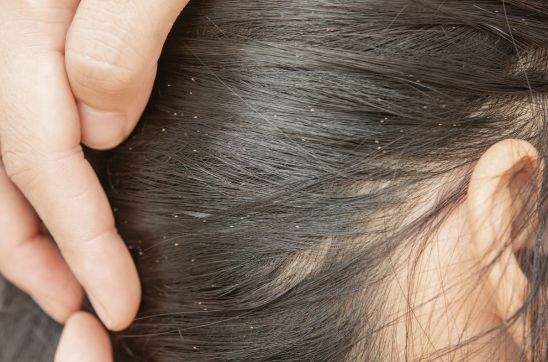
Lice cause constant scalp itching, and you may see small white nits attached to hair. Tick bites, on the other hand, may appear as a small red bump with the tick still attached or leave a circular rash afterward.
Do lice or ticks die quickly off the human body?
Lice can survive up to a day without feeding, while ticks can live for days or even weeks off the host. That’s why using anti head lice shampoo and maintaining hygiene is essential for prevention.