


Understanding the Life Cycle of a Mosquito
 Jungle Formula
- 30 September, 2025

Introduction
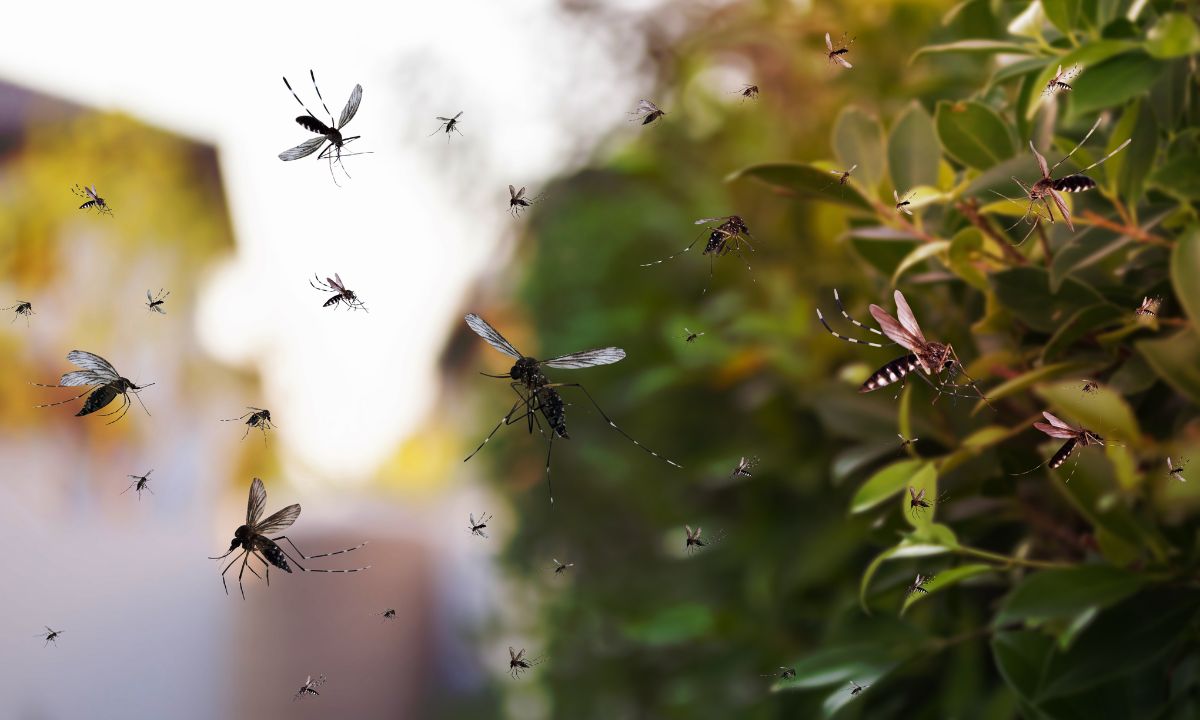
Mosquitoes are among the most common insects worldwide, but few people truly understand how they live, breed, and die. Learning about the life cycle of a mosquito is essential not just for curiosity but also for controlling diseases like malaria, dengue, and chikungunya. While the average lifespan of a mosquito may seem short, these tiny insects are capable of spreading illnesses quickly during their mosquito life period. This blog will take you through the stages of mosquito development, their life period of mosquito in different environments, and what happens to the life span of mosquito after bite.
What is the Average Lifespan of a Mosquito?
The mosquito age limit varies depending on species, gender, and environment. On average, male mosquitoes live for about 7–10 days, while females can survive up to 6–8 weeks if conditions are favorable. This difference is mainly because females need more time to feed on blood and reproduce.
Interestingly, the average lifespan of a mosquito is often cut short by environmental hazards, predators, and human efforts to control them. While mosquitoes may seem fragile, their mosquito life period is surprisingly resilient, allowing them to survive in a wide range of conditions.
To minimize bites during this short but impactful life period of mosquito, using mosquito repellent roll on or mosquito repellent patches is highly recommended.
Mosquito Life Cycle: Stages of Development
The life cycle of a mosquito goes through four distinct stages: egg, larva, pupa, and adult. Each of these stages of mosquito development plays a crucial role in the survival of the species.
1. Egg Stage – Female mosquitoes lay hundreds of eggs at a time on water surfaces. These eggs hatch within 24–48 hours.
2. Larva Stage – Commonly called “wigglers,” mosquito larvae live in water and feed on organic matter. This stage lasts around 4–14 days.
3. Pupa Stage – Known as “tumblers,” this stage is a transition where mosquitoes do not feed but prepare to become adults.
4. Adult Stage – The final mosquito age limit stage, where males feed on nectar while females seek blood meals to produce eggs.
Understanding these stages of mosquito growth is vital for breaking the mosquito life period. Targeting larvae with preventive measures such as eliminating stagnant water is one of the most effective ways to stop their growth.
To protect yourself during the adult life cycle of a mosquito, mosquito repellent spray is an effective solution.
Life Span of a Mosquito After a Bite
A common myth is that mosquitoes die immediately after biting, but that is not true. The life span of mosquito after bite depends on its health and environment. Unlike bees, mosquitoes can bite multiple times without dying. In fact, after feeding on blood, females use the nutrients to produce eggs and extend their mosquito life period.
The average lifespan of a mosquito after biting remains almost the same as before, unless swatted or killed by external factors. This means a single mosquito can continue spreading diseases over its mosquito age limit.
To stay safe, always use mosquito repellent roll on and mosquito repellent patches, especially if you live in mosquito-prone areas.
How Long Does a Mosquito Live in Different Environments?
The life period of mosquito is highly influenced by environmental conditions such as humidity, temperature, and food availability.
• In Tropical Climates – Mosquitoes thrive and live up to 2 months, making the average lifespan of a mosquito longer.
• In Dry or Cold Climates – Their mosquito life period shortens drastically to just a few days or weeks. Some species, however, can hibernate during winter.
• Indoor vs. Outdoor – Indoors, the life cycle of a mosquito extends due to consistent temperatures and fewer predators, while outdoors they often live shorter lives.
By controlling breeding grounds like stagnant water and using mosquito repellent spray, you can effectively reduce the life period of mosquito populations around your home.
Conclusion
Mosquitoes may have a short mosquito age limit, but their ability to reproduce and spread diseases makes them a serious threat. Understanding the life cycle of a mosquito and the stages of mosquito development helps us find effective ways to break the mosquito life period. Whether it’s controlling breeding sites or protecting yourself with mosquito repellent roll on, mosquito repellent patches, and mosquito repellent spray, prevention is always better than cure.
FAQs
Can Mosquitoes Survive the Winter?
Yes, some mosquito species can hibernate during winter, extending their mosquito age limit and resuming activity when conditions improve.
Do Male Mosquitoes Live Longer Than Females?
No, females generally outlive males since their average lifespan of a mosquito is longer due to their role in reproduction.
How to Break the Life Cycle of a Mosquito?
Eliminate stagnant water, use larvicides, and protect yourself with repellents like mosquito repellent roll on and mosquito repellent patches to disrupt the life cycle of a mosquito.
What is the Lifespan of a Dengue Mosquito?
The life period of mosquito species that spread dengue, such as Aedes aegypti, ranges from 2–4 weeks. During this mosquito life period, they are highly capable of transmitting the virus.