




Sand Fly vs Mosquito – Key Differences and Bite Information
 Jungle Formula
- 11 November, 2025

When you’re sitting outdoors on a warm evening, the last thing you want is an unexpected insect bite. Most people assume mosquitoes are the only culprits, but sand flies can be just as pesky — and sometimes even more harmful. Understanding the sand fly vs mosquito differences can help you stay better protected, especially during humid seasons when both insects are most active.
While both are tiny, winged insects that feed on blood, the difference between sand fly vs mosquito lies in their appearance, bite pattern, and the diseases they transmit. Let’s dive deeper into the identification sand fly vs mosquito, how their bites differ, and how to prevent them effectively.
Physical Differences Between Sand Flies and Mosquitoes
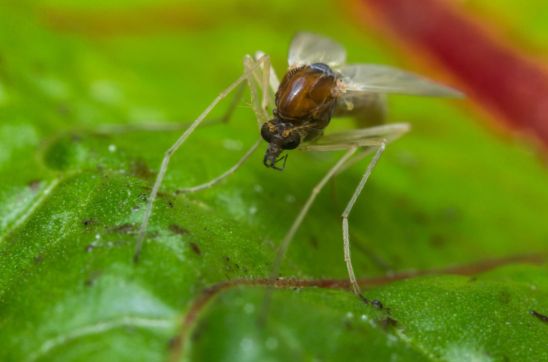
When trying to make an identification sand fly vs mosquito, the first thing to notice is their size and body structure. Mosquitoes are generally slender and long-legged, with a visible proboscis — a long, needle-like mouthpart they use to suck blood. Sand flies, on the other hand, are smaller, hairier, and have short legs. They look almost like tiny moths, with their wings held upright in a “V” shape when resting.
Another key difference between sand fly vs mosquito is their flight pattern. Mosquitoes fly silently and steadily, whereas sand flies have a short, jerky flight and often move in quick hops. If you feel tiny pricks without hearing the familiar mosquito buzz, it might be a sand fly lurking nearby.
Moreover, sand flies are typically found in tropical and semi-arid regions and thrive in damp soil, whereas mosquitoes breed in stagnant water. So, your location can also help in identification sand fly vs mosquito when trying to determine which insect bit you.
Bite Differences – Sand Fly vs Mosquito
One of the most noticeable signs when comparing sand fly bite vs mosquito bite is the itch and swelling pattern. Mosquito bites usually appear as small, raised bumps with mild redness and itchiness. They fade within a day or two. Sand fly bites, however, are more painful, often forming red, inflamed welts that can take several days to heal.
When comparing mosquito bite vs sand fly, the timing of the bites also differs. Mosquitoes tend to be active at dusk and dawn, while sand flies are most aggressive after sunset and during the night. The itch from sand fly bites can be intense, sometimes leading to scratching that causes skin infections.
If you’re often outdoors, applying a mosquito repellent roll on before leaving home can help protect your skin. These roll-ons not only repel mosquitoes but also work effectively against sand flies. You can also use mosquito repellent stickers for children, which offer gentle yet lasting protection during playtime or travel.
Health Risks of Mosquito Bite vs Sand Fly
Both mosquitoes and sand flies are more than just a nuisance — they’re known carriers of vector-borne diseases. When comparing the health risk of mosquito bite vs sand fly, mosquitoes are infamous for spreading malaria, dengue, chikungunya, and Zika virus. These diseases can cause severe fever, joint pain, and fatigue if left untreated.
Sand flies, on the other hand, are vectors of Leishmaniasis, a parasitic disease that can affect the skin and internal organs. This makes the difference between sand fly vs mosquito quite serious from a health standpoint. A single sand fly bite can transmit the parasite responsible for cutaneous or visceral leishmaniasis, leading to painful ulcers and other complications.
While both insects feed on blood, sand flies inject saliva that contains irritating compounds and potential pathogens. This means even a small sand fly bite vs mosquito bite can result in prolonged irritation or infection.
To minimize these risks, keeping your environment insect-free is essential. Using an indoor mosquito repellent spray before bedtime can drive away both mosquitoes and sand flies, ensuring you rest without any unwanted buzzing.
Prevention Tips for Sand Flies and Mosquitoes
Once you understand the sand fly vs mosquito differences, prevention becomes easier. Here are some practical tips to help keep these insects away:
1. Wear protective clothing: Long sleeves, light-colored fabrics, and full-length pants reduce skin exposure.
2. Use repellents wisely: A mosquito repellent roll on or mosquito repellent stickers can create a protective barrier on your skin, keeping both mosquitoes and sand flies away.
3. Keep surroundings clean: Since mosquitoes breed in stagnant water, remove containers, buckets, or pots that collect water. Sand flies prefer damp soil, so keep your garden and walls dry.
4. Use nets and sprays: Sleeping under treated mosquito nets and using an indoor mosquito repellent spray helps create a safe, insect-free zone.
5. Avoid peak activity hours: Knowing the difference between sand fly vs mosquito activity times is crucial. Avoid being outdoors during dusk or night when these insects are most active.
6. Install mesh screens: Cover doors and windows with fine mesh to block tiny sand flies from entering your home.
These small measures, when followed consistently, can drastically reduce your exposure to both sand fly bite vs mosquito bite risks.
While they may seem similar at first glance, the sand fly vs mosquito debate reveals some important distinctions. From appearance and flight style to the diseases they carry, understanding the difference between sand fly vs mosquito is crucial for staying healthy and bite-free.
Both insects can cause itching and irritation, but sand fly bites tend to be more painful and carry a higher risk of infection. Preventing bites with the right repellents — such as mosquito repellent roll on, mosquito repellent stickers, and indoor mosquito repellent spray — ensures all-round protection for your family.
The next time you notice an itchy bump, use the identification sand fly vs mosquito clues above to find out which tiny pest is to blame — and take action before it bites again.
FAQs
Are sand fly bites harmful?
Yes, sand fly bites can be harmful. They may lead to severe itching, allergic reactions, and in some regions, transmit Leishmaniasis. Compared to mosquito bites, sand fly bite vs mosquito bite tends to cause longer-lasting irritation and redness.
Can mosquito repellents protect against sand flies?
Absolutely. A good mosquito repellent roll on or mosquito repellent stickers can work against both mosquitoes and sand flies. For complete protection indoors, try using an indoor mosquito repellent spray before sleeping.
When are sand flies most active?
Sand flies are usually active during the late evening and nighttime, especially in warm and humid conditions. Understanding the difference between sand fly vs mosquito activity hours can help you plan outdoor activities more safely.
How should I treat bites from sand flies or mosquitoes?
Clean the area with soap and water, apply ice to reduce swelling, and use an anti-itch cream. If symptoms worsen, consult a doctor. Avoid scratching — both mosquito bite vs sand fly wounds can get infected if irritated repeatedly.